.png)


Complete Guide to Landscape Design in Denver With Local Tips Native Plants and Expert Insight
Denver yards ask a lot from a design. They need to handle hot sun, sudden hail, dry stretches, spring snow, clay-heavy soil, wildlife, and outdoor living goals that change with the seasons. A beautiful landscape here is not just a pretty planting plan. It is a smart response to the Front Range.
That is why good design in Denver starts with place. The best yards use water wisely, frame mountain views, soften hard edges, and bring color into a climate that can be tough on plants. They also make room for how people really live, from shaded patios and fire pits to vegetable beds, dog runs, and low-water gardens.
This Guide to Landscape Design covers the choices that matter most in Denver, including climate, native plants, popular trends, and practical steps for planning an outdoor space that feels personal and lasts.

What makes Denver landscape design different
Landscape Design in Denver, Colorado has to account for several local conditions at once. The city has a semi-arid climate, high elevation, strong sun, and dramatic temperature swings. A warm afternoon can turn into a cold night, and spring weather can move from blue skies to heavy snow quickly.
That mix shapes nearly every design choice.
Denver homeowners often need landscapes that:
Use less supplemental water
Hold up to high UV exposure
Tolerate wind and dry air
Handle freeze and thaw cycles
Work with clay or compacted soils
Provide shade without blocking views
Look good beyond the short summer bloom season
Design also changes by neighborhood. A home near Washington Park may need a classic garden with mature tree canopy and updated irrigation. A property in Stapleton, Central Park, or Lowry might need more shade, privacy, and structure in a newer lot. A foothills property may call for fire-wise planting, erosion control, and a looser natural style.
The main point is simple. Denver landscapes do best when they are designed for local conditions first, then styled to match the home.
Katherine brings local training and landscape architecture expertise
A strong landscape begins with informed decisions. Katherine’s degree in Landscape Architecture from Colorado State University gives her a deep foundation in site planning, planting design, grading, circulation, and environmental systems. That training matters in Denver, where beauty and function need to work together from the start.
Colorado State University has long been connected to the state’s land, climate, and horticultural knowledge. That background helps Katherine look beyond surface-level curb appeal. She can read a site, understand how water moves, plan usable spaces, and choose plants that make sense for Colorado conditions.
Her expertise is especially useful for homeowners who want a yard that feels polished but not forced. Local knowledge helps answer questions like:
Where should shade trees go for comfort and energy savings?
Which plantings can handle reflected heat from sidewalks and driveways?
How can a patio feel private without closing off the yard?
What should be planted near a foundation, fence, or utility area?
Where does turf make sense, and where is it wasting water?
This is where landscape architecture becomes practical. It turns a wish list into a plan that respects the site.
Core design principles for Denver yards
Great landscape design is not about adding more plants or more features. It is about making the right choices in the right places. In Denver, several principles matter most.
Design for water before plants
Water should guide the plan early. Denver’s dry climate makes irrigation, drainage, and plant grouping especially important.
A smart plan uses hydrozones, which means grouping plants by water needs. Low-water plants go together. Thirstier plants, if used at all, belong near patios, entries, or high-use areas where they can justify the extra care.
This approach prevents a common problem: overwatering native plants just to keep nearby turf alive. It also helps irrigation zones work more efficiently.
Create shade where people gather
Denver’s sun can be intense, especially on south- and west-facing patios. Shade turns a pretty patio into a place people actually use.
Shade can come from:
Deciduous trees
Pergolas
Shade sails
Covered patios
Tall shrubs or small ornamental trees
Carefully placed structures
Deciduous trees are often a strong choice because they offer summer shade and allow winter sun to warm the space.
Balance openness with privacy
Many Denver homeowners want mountain views, open sky, and privacy from neighbors. Good design does not solve privacy by building a wall of plants around the entire yard. It places screening where it matters most.
That may mean evergreen shrubs near a patio, an ornamental tree outside a bedroom window, or a fence softened with vines and layered plantings.
Targeted privacy feels more natural and usually costs less than screening every property line.
Plan for all four seasons
A Denver garden should not rely only on summer flowers. Winter structure matters. So do fall color, seed heads, bark texture, and evergreen massing.
A four-season plan includes:
Ornamental grasses that hold shape into winter
Evergreens for structure
Shrubs with berries, bark, or branching interest
Perennials with staggered bloom times
Hardscape that looks intentional year-round

Climate considerations that should shape the plan
Denver’s climate rewards thoughtful design and exposes shortcuts quickly. Plants that look lush at the nursery may struggle if they are not suited to the site.
High elevation and strong sun
At Denver’s elevation, sunlight can be harsher than many plants prefer. Reflected heat from concrete, stucco, gravel, and south-facing walls can make a planting bed much hotter than the general air temperature.
Use tough, heat-tolerant plants in these areas. Also leave enough room for airflow and mature growth. Crowded plants often suffer more stress during heat and dry spells.
Dry air and low rainfall
Dry air affects both plants and soil. Mulch helps reduce evaporation, but the material matters. Wood mulch works well in many planting beds because it improves soil over time. Gravel can be useful in xeric designs, but too much rock near heat-sensitive plants can raise temperatures.
A balanced design often uses both, depending on the plant palette and location.
Clay soils and drainage
Many Denver-area yards have clay soil. Clay holds nutrients, but it can drain poorly and become compacted. Before planting, check how water moves through the site.
Good soil preparation may include compost, proper grading, and plant choices that tolerate heavier soil. In some cases, raised beds or berms help improve drainage for plants that dislike wet roots.
Freeze and thaw cycles
Denver’s winter can be hard on patios, paths, walls, and plant roots. Freeze and thaw cycles can shift materials if they are not installed correctly. This is one reason hardscape planning should not be rushed.
Choose durable materials and proper base preparation. For plants, avoid placing marginally hardy species in exposed sites unless there is a clear microclimate advantage.
Native and climate-adapted plants for Denver landscapes
Native plants are popular for good reason. They can support local pollinators, reduce water use once established, and create a landscape that feels connected to Colorado. Still, “native” does not mean “no maintenance.” New plants need water while they establish, and each species still needs the right exposure and soil conditions.
Here are reliable plant categories to explore.
Plant type | Examples for Denver-area gardens | Why they work |
Ornamental grasses | Blue grama, little bluestem, switchgrass | Movement, winter texture, low water once established |
Flowering perennials | Penstemon, yarrow, blanketflower, prairie coneflower | Color, pollinator value, sun tolerance |
Shrubs | Serviceberry, rabbitbrush, Apache plume, golden currant | Structure, flowers, habitat, seasonal interest |
Evergreens | Rocky Mountain juniper, pinyon pine, ponderosa pine in suitable spaces | Winter form, screening, drought tolerance when established |
Small trees | Chokecherry, serviceberry, Gambel oak where appropriate | Wildlife value, shade, natural character |
A good Denver planting plan often blends natives with climate-adapted plants from similar dry regions. This gives homeowners more choices while still respecting water limits.
Planting tips for better results
A few planting habits make a big difference:
Plant in spring or early fall when temperatures are milder.
Water deeply and less often once plants start to establish.
Keep mulch away from plant crowns and tree trunks.
Place plants based on mature size, not nursery size.
Use repetition so the garden feels calm instead of cluttered.
The most successful gardens look natural, but they are carefully planned.

Popular landscape design trends in Denver
Denver homeowners are moving toward outdoor spaces that are lower maintenance, more water-wise, and more usable. The trend is not toward bare gravel yards. It is toward thoughtful, layered landscapes that feel alive without demanding constant care.
Modern xeriscaping
Modern xeriscaping uses drought-tolerant plants, efficient irrigation, and clean design. It can look soft and colorful, not sparse. The best versions combine ornamental grasses, flowering perennials, boulders, mulch, and well-shaped paths.
The goal is water-wise beauty, not a yard that looks unfinished.
Outdoor rooms
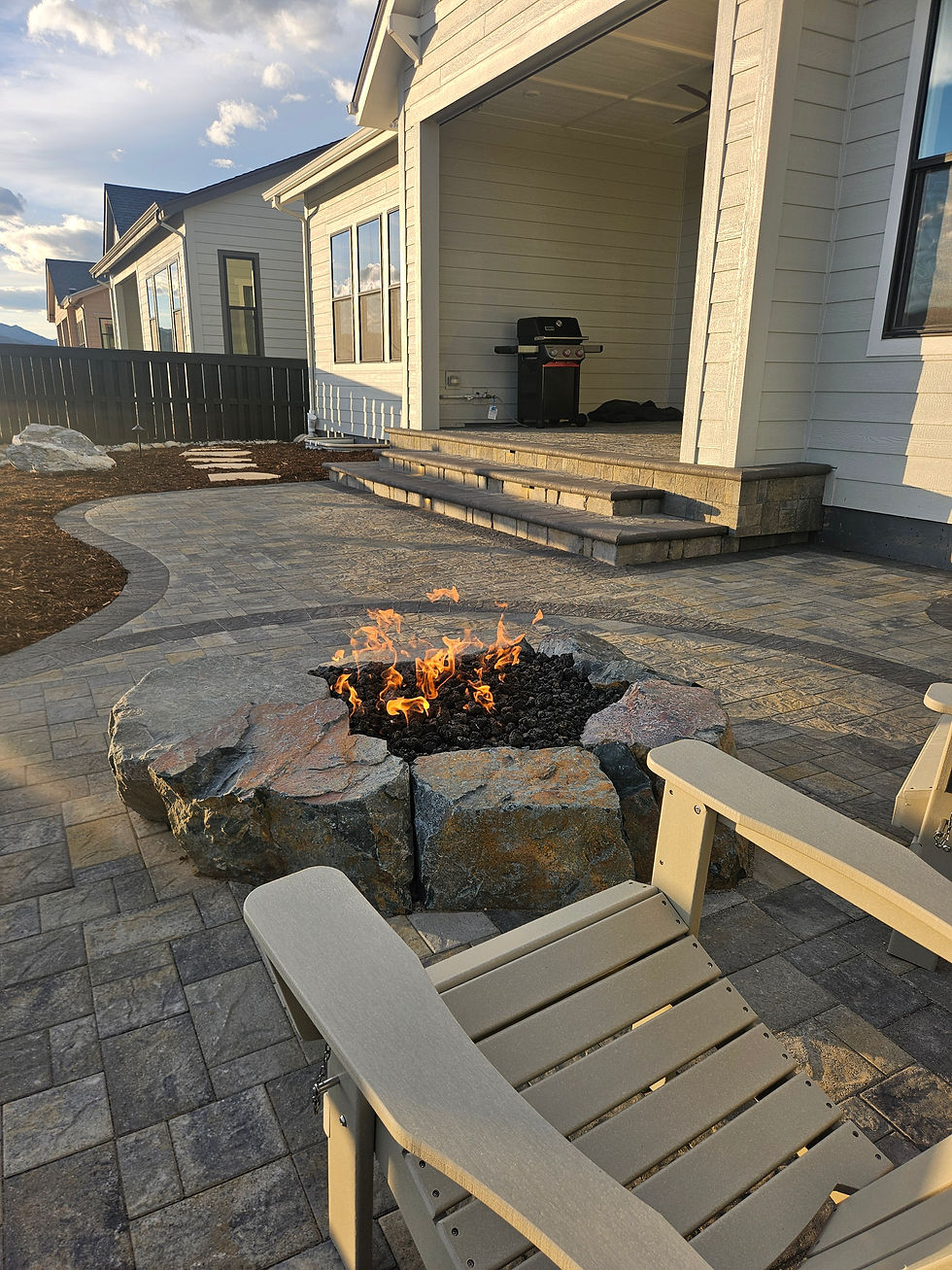
Patios, dining areas, fire pits, and lounge spaces remain popular across Denver. The difference now is that homeowners want these spaces integrated into the garden.
A patio feels better when it has shade, nearby planting, good lighting, and a clear connection to the house. Even a small yard can have an outdoor room if the layout is simple and intentional.
Turf reduction
Many homeowners are reducing traditional lawn areas. Turf still makes sense for play, pets, and cooling key spaces. It makes less sense in narrow side yards, steep slopes, or decorative front yards that no one uses.
Replacing unused turf with native plantings, pathways, or seating areas can cut maintenance and add character.
Natural stone and boulders
Stone fits Denver’s setting. Flagstone paths, boulder accents, and seat walls can create structure that looks at home near the Rockies. The key is restraint. A few well-placed boulders often look better than a yard filled with random rock.
Pollinator-friendly gardens
Pollinator planting is more than a trend. It brings movement, color, and ecological value to residential landscapes. Use a range of bloom times so bees, butterflies, and other beneficial insects have food across the growing season.
Practical tips for homeowners planning a landscape update
A landscape project can feel big at first. Breaking it into decisions makes the process easier.
Start with how the space should feel and function
Before choosing plants, define the purpose of each area. A front yard might need curb appeal and a clear entry path. A backyard might need dining, shade, privacy, and space for a dog. A side yard might become storage, a utility path, or a narrow garden.
Ask these questions:
Where do people naturally walk?
Where is the sun too intense?
What views should stay open?
What needs to be screened?
Which areas are used often, and which are mostly decorative?
How much maintenance feels realistic?
Design should support daily life, not add chores that become frustrating later.
Invest in the framework first
Plants are important, but the framework carries the design. Paths, patios, walls, steps, grading, irrigation, and trees should come before smaller details.
If the budget requires phasing, start with the elements that are hardest to change later. That often includes drainage, hardscape, irrigation, and major trees.
Use fewer materials
Denver landscapes can become visually busy when too many materials compete. Try to limit paving, gravel, mulch, edging, and wall materials to a small, coordinated palette.
For example, a simple mix of flagstone, wood mulch, and weathered steel edging can look cohesive. Add plants with repeated colors and textures, and the yard feels designed rather than pieced together.
Think about maintenance honestly
Low-water does not always mean no-care. Ornamental grasses need seasonal cutback. Perennials may need deadheading or division. Drip irrigation needs checks. Gravel areas still collect weeds if not installed and maintained well.
A good design matches the maintenance level to the homeowner’s habits. If weekly gardening sounds relaxing, a layered perennial garden may be perfect. If not, use more shrubs, grasses, and simple masses.
Plan lighting early
Outdoor lighting works best when planned with paths, patios, trees, and focal points. It can improve safety and make the yard usable after sunset. In Denver, where evenings are often one of the best times to be outside, lighting can change how a space feels.
Use warm, subtle light. Avoid overlighting the yard or pointing fixtures into neighboring properties.

How to bring a Denver landscape together
A strong Denver landscape does three things well. It respects the climate, fits the architecture, and improves everyday life.
For a brick bungalow, that might mean a welcoming front path, ornamental grasses, low shrubs, and a small seating area under a shade tree. For a modern home, it may mean clean concrete pavers, massed grasses, sculptural evergreens, and a steel planter. For a foothills property, it might mean native shrubs, boulder groupings, defensible-space awareness, and natural drainage solutions.
The style can change, but the process stays grounded:
Study the site.
Solve water, shade, access, and privacy.
Choose plants that belong in the conditions.
Build a clear structure with paths and gathering spaces.
Add seasonal color and personal details.
Katherine’s landscape architecture training and Colorado experience help connect those steps. Instead of treating the yard as a set of separate projects, she can shape it as a complete outdoor environment.
A Denver yard does not need to fight the climate to be beautiful. With the right plan, native and climate-adapted plants, smart water use, and spaces designed around real life, it can feel comfortable, resilient, and distinctly Colorado.

Comments