


Top Landscape Design Trends to Expect in Colorado 2026
Colorado’s unique climate and stunning natural surroundings shape how residents design their outdoor spaces. As we approach 2026, landscape design in Colorado is evolving to meet new environmental challenges, lifestyle preferences, and aesthetic tastes. Whether you live in Denver, Boulder, or the mountain towns, understanding these trends can help you create a beautiful, functional, and sustainable outdoor area that fits the Colorado lifestyle.
This post explores the top landscape design trends expected to dominate Colorado in 2026. From drought-resistant plants to outdoor living spaces that blend with nature, these ideas will inspire your next project.

Embracing Native and Drought-Resistant Plants
Water conservation remains a top priority in Colorado due to frequent drought conditions and water restrictions. In 2026, expect to see more homeowners and designers choosing native plants that thrive in Colorado’s semi-arid climate. These plants require less water, reduce maintenance, and support local wildlife.
Examples of popular native plants:
Blue grama grass: A hardy grass that adds texture and movement.
Rocky Mountain penstemon: Produces vibrant purple flowers attracting pollinators.
Serviceberry shrubs: Provide seasonal berries and beautiful fall color.
Yucca and agave: Succulent plants that add architectural interest and survive dry spells.
Using native plants not only conserves water but also creates a landscape that feels authentic to Colorado’s environment. Combining these with drought-tolerant perennials and ornamental grasses can create a lush, resilient garden.
Outdoor Living Spaces That Extend the Home
Colorado residents love spending time outdoors, especially with the state’s abundant sunshine and fresh mountain air. In 2026, outdoor living spaces will continue to grow in popularity, designed to be comfortable year-round.
Key features to expect:
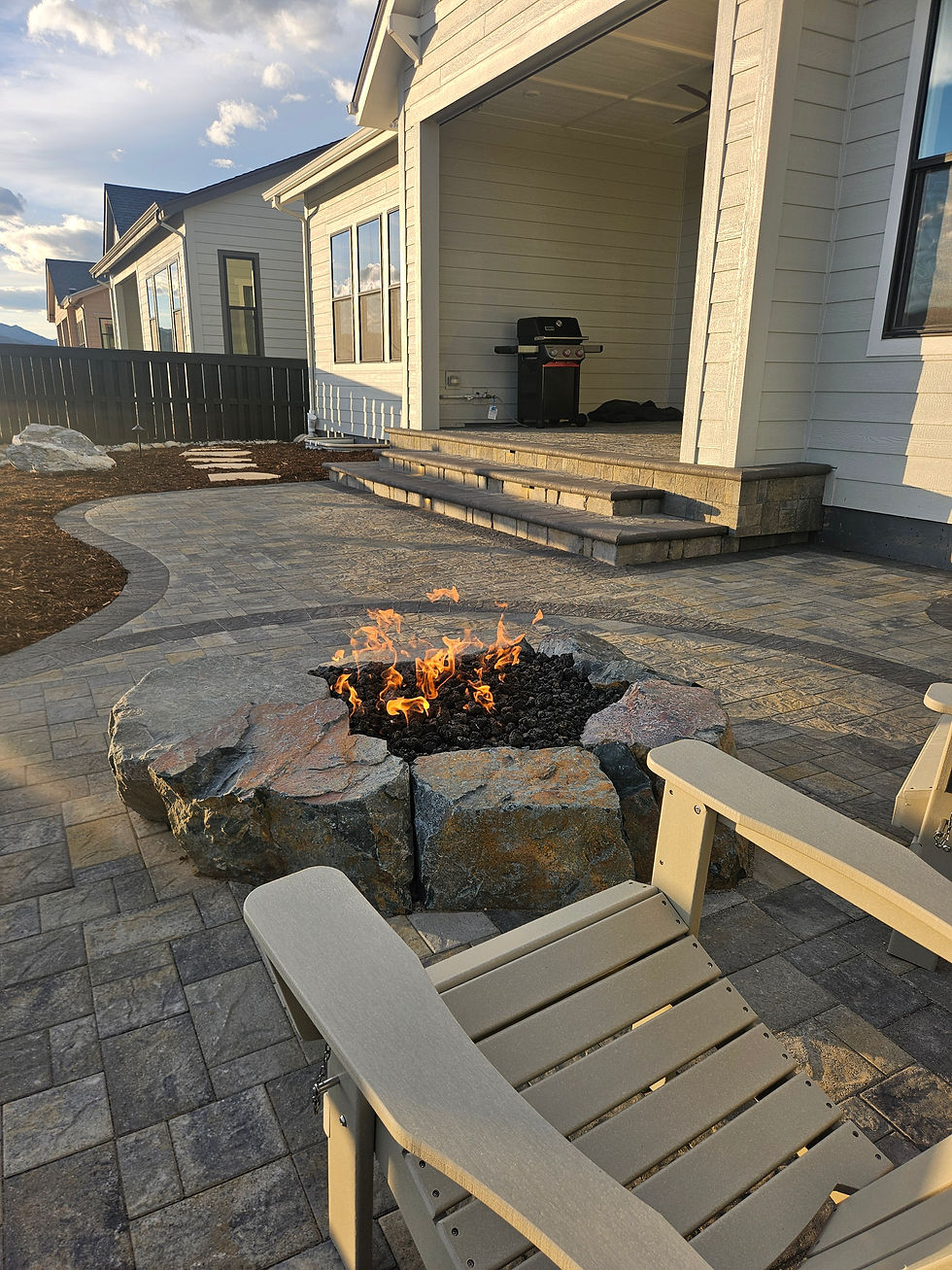
Fire pits and fireplaces: These provide warmth and ambiance for chilly evenings.
Covered patios and pergolas: Offer shade during hot summer days and shelter from light snow.
Outdoor kitchens and dining areas: Perfect for entertaining friends and family.
Flexible seating arrangements: Modular furniture that can be rearranged for different occasions.
Designers will focus on blending these spaces seamlessly with the natural surroundings, using materials like stone, wood, and metal that complement Colorado’s rugged landscape.
Sustainable and Low-Maintenance Design
Sustainability is no longer optional; it’s a necessity. In 2026, expect more landscapes designed to reduce environmental impact and minimize upkeep.
Sustainable design strategies include:
Rainwater harvesting systems: Collecting and reusing rainwater for irrigation.
Permeable paving: Allows water to soak into the ground, reducing runoff.
Composting areas: Turning garden waste into nutrient-rich soil.
Smart irrigation controllers: Adjust watering schedules based on weather and soil moisture.
Low-maintenance landscapes appeal to busy homeowners who want beautiful yards without constant work. Using mulch, ground covers, and native plants reduces the need for frequent watering, fertilizing, and pruning.
Incorporating Edible Gardens and Pollinator Habitats
Gardening trends in Colorado are shifting toward food production and supporting biodiversity. Many homeowners want to grow their own vegetables, herbs, and fruits while creating habitats for bees, butterflies, and birds.
Popular edible plants for Colorado gardens:
Tomatoes, peppers, and lettuce in raised beds.
Fruit trees like apple, cherry, and plum adapted to local conditions.
Herbs such as sage, thyme, and chives.
Pollinator-friendly plants like milkweed, coneflowers, and lavender attract beneficial insects that improve garden health. Creating a balance between edible plants and pollinator habitats supports local ecosystems and provides fresh produce.
Using Natural Materials and Earth Tones
Colorado’s landscape design in 2026 will emphasize natural materials that blend with the environment. Stone, wood, and metal in earth tones create a cohesive look that feels grounded and timeless.
Common materials include:
Flagstone and river rock: For patios, walkways, and retaining walls.
Reclaimed wood: Used in fences, pergolas, and garden furniture.
Corten steel: Adds a rustic, weathered look to planters and edging.
These materials age gracefully and require minimal maintenance. Their natural colors complement the surrounding mountains, forests, and open skies.
Creating Multi-Functional Spaces for Wellness
Outdoor spaces are becoming places for relaxation, exercise, and mental wellness. In 2026, expect landscapes designed to support physical and emotional health.
Features that promote wellness:
Meditation gardens: Quiet areas with calming plants and water features.
Yoga decks: Flat, stable surfaces for stretching and exercise.
Walking paths: Curved trails that encourage movement and exploration.
Outdoor lighting: Soft, warm lights that extend usability into the evening.
Designers will focus on creating spaces that invite people to slow down, breathe fresh air, and connect with nature.
Integrating Technology Discreetly
Technology will play a subtle but important role in Colorado landscapes. Smart irrigation, outdoor speakers, and lighting systems will be integrated without disrupting the natural feel.
Examples of tech use:
Sensors that adjust watering based on soil moisture.
Solar-powered garden lights that charge during the day.
Wireless speakers hidden in planters or walls for music.
This approach keeps the landscape functional and modern while maintaining a peaceful, natural atmosphere.
Planning for Climate Resilience
Colorado’s weather can be unpredictable, with hot summers, cold winters, and sudden storms. Landscape designs in 2026 will focus on resilience to protect plants and structures.
Climate-smart design tips:
Plant windbreaks with tall shrubs or trees to reduce snow drifting.
Use mulch and ground covers to protect soil from erosion.
Choose plants that tolerate temperature swings and drought.
Build drainage systems to handle heavy rain and snowmelt.
By planning for these conditions, homeowners can enjoy their outdoor spaces year-round with fewer problems.
Colorado’s landscape design trends for 2026 reflect a deep respect for nature, a desire for comfort, and a commitment to sustainability. By choosing native plants, creating inviting outdoor living areas, and using natural materials, you can build a yard that fits Colorado’s environment and lifestyle.


Comments