


Understanding the Costs of Landscaping in Denver for 2026
Landscaping transforms outdoor spaces, adding beauty and value to homes. If you live in Denver and plan to update your yard in 2026, understanding the costs involved is essential. Landscaping expenses vary widely depending on the size of your property, the complexity of the design, materials used, and labor costs. This guide breaks down what you can expect to pay for landscaping in Denver next year, helping you plan your budget with confidence.

Factors That Influence Landscaping Costs in Denver
Several key factors affect how much landscaping will cost in Denver. Knowing these helps you understand why prices vary and how to control your budget.
Size of the Area
The larger your yard, the more materials and labor you will need. A small front yard might cost a few thousand dollars to landscape, while a large backyard with multiple features can reach tens of thousands.
Design Complexity
Simple landscaping with grass and a few shrubs costs less than elaborate designs with patios, water features, retaining walls, and lighting. Custom designs require more planning and skilled labor, increasing costs.
Materials and Plants
Choosing native plants like Colorado blue spruce or rabbitbrush can reduce maintenance and water costs but may have different upfront prices. Hardscape materials such as natural stone, pavers, or concrete vary widely in price. High-end materials add to the total cost.
Labor Costs
Labor rates in Denver have been rising steadily. Skilled landscapers, masons, and irrigation specialists charge different rates. Expect to pay more for experienced professionals who deliver quality work.
Permits and Regulations
Some landscaping projects require permits, especially if they involve structures like decks or retaining walls. Permit fees and inspections add to the overall expense.
Typical Landscaping Costs in Denver for 2026
Here is a breakdown of common landscaping elements and their estimated costs in Denver for 2026. These figures are based on recent market trends and local contractor quotes.
Basic Lawn Installation
Cost: $1,500 to $4,000 for an average-sized yard (around 1,000 square feet)
Includes: Soil preparation, sod or seed, and initial watering setup
Notes: Sod is more expensive but provides instant green coverage. Seeding is cheaper but takes longer to establish.
Planting Trees and Shrubs
Cost: $100 to $1,000 per tree depending on size and species
Shrubs: $25 to $150 each
Notes: Larger, mature trees cost more but add immediate impact. Native plants tend to be more affordable and drought-resistant.
Hardscaping Features
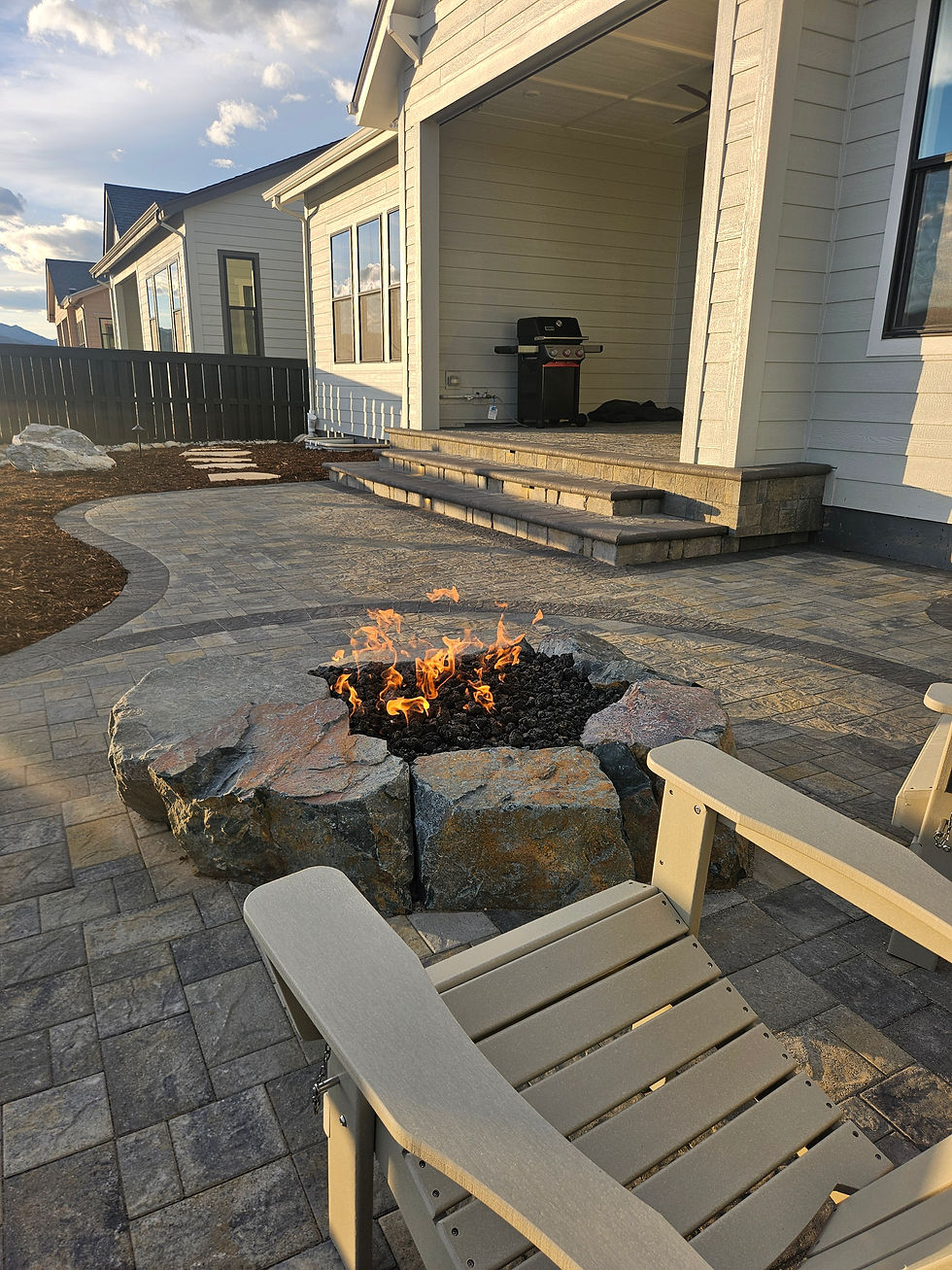
Patios and Walkways: $15 to $35 per square foot
Retaining Walls: $20 to $50 per square foot
Decks: $25 to $60 per square foot
Notes: Material choice (concrete, stone, wood) greatly affects price.
Irrigation Systems
Cost: $2,000 to $5,000 for a typical residential system
Includes: Sprinklers, drip lines, timers, and installation
Notes: Efficient irrigation saves water and reduces long-term costs.
Outdoor Lighting
Cost: $2,000 to $6,000 depending on the number of fixtures and complexity
Notes: Lighting enhances safety and aesthetics but requires electrical work.
Full Landscaping Projects
Cost: $10,000 to $50,000 or more
Includes: Combination of lawn, plants, hardscaping, irrigation, and lighting
Notes: Custom designs with high-end materials and features push costs higher.
How to Get the Best Value for Your Landscaping Budget
Spending wisely on landscaping means balancing your goals with costs. Here are tips to maximize your investment.
Prioritize Your Needs
Decide what matters most: curb appeal, outdoor living space, low maintenance, or water conservation. Focus your budget on those priorities.
Choose Native and Drought-Tolerant Plants
Denver’s climate favors plants that require less water and care. This choice lowers maintenance costs and keeps your yard healthy.
Plan for Phased Projects
If your budget is limited, consider completing landscaping in stages. Start with essential elements and add features over time.
Get Multiple Quotes
Request estimates from several local landscapers. Compare prices, services, and warranties to find the best fit.
Check References and Reviews
Quality workmanship saves money in the long run. Verify contractor credentials and read customer feedback.
DIY Where Possible
Simple tasks like planting flowers or laying mulch can reduce labor costs if you have time and skills.
Seasonal Considerations for Landscaping in Denver
Timing affects both cost and success of landscaping projects.
Spring and Early Summer: Best time for planting and lawn installation. Prices may be higher due to demand.
Fall: Cooler weather is ideal for planting trees and shrubs. Contractors may offer discounts.
Winter: Limited landscaping work due to weather, but planning and design can continue.
Common Landscaping Mistakes to Avoid
Avoiding these pitfalls helps keep your project on budget and on schedule.
Overlooking soil quality and drainage issues
Choosing plants that don’t suit Denver’s climate
Ignoring local regulations and permit requirements
Underestimating maintenance needs
Hiring unlicensed or uninsured contractors


Comments