


Xeriscape vs Traditional Landscaping in Colorado: What Works Best for 2026
Water scarcity and climate challenges have made landscaping choices more important than ever in Colorado. As homeowners and businesses plan their outdoor spaces for 2026, the debate between xeriscape and traditional landscaping grows louder. Which approach fits Colorado’s unique environment, budget, and lifestyle best? This post explores both landscaping styles, their benefits, drawbacks, and practical tips to help you decide what works best for your property.

Understanding Xeriscape Landscaping
Xeriscape landscaping focuses on reducing or eliminating the need for supplemental water. It uses drought-resistant plants, efficient irrigation, and soil improvements to create a sustainable outdoor space. This approach suits Colorado’s semi-arid climate, where water conservation is critical.
Key Features of Xeriscape
Drought-tolerant plants: Native grasses, succulents, and shrubs that thrive with minimal water.
Efficient irrigation: Drip systems and timers reduce water waste.
Soil management: Adding organic matter improves water retention.
Mulching: Helps retain moisture and reduce evaporation.
Minimal turf areas: Lawns are limited or replaced with ground covers or gravel.
Benefits of Xeriscape in Colorado
Water savings: Xeriscaping can reduce outdoor water use by up to 50-75%, a significant advantage in Colorado’s water-restricted areas.
Lower maintenance: Less mowing, fertilizing, and watering means less time and money spent on upkeep.
Environmental impact: Supports local ecosystems by using native plants and reducing chemical runoff.
Cost-effective over time: Initial setup may be higher, but savings on water bills and maintenance add up.
Challenges of Xeriscape
Initial design and installation: Requires planning and sometimes professional help to select appropriate plants and irrigation.
Aesthetic preferences: Some people prefer the lush look of traditional lawns and gardens.
Plant establishment: Native plants may take time to mature and fill in the space.
Traditional Landscaping in Colorado
Traditional landscaping often includes large grassy lawns, ornamental flower beds, and a mix of trees and shrubs. This style emphasizes green, lush spaces that many homeowners associate with curb appeal and recreation.
Key Features of Traditional Landscaping
Expansive lawns: Kentucky bluegrass and fescue are common turf grasses.
Flower beds: Seasonal flowers and shrubs add color.
Regular irrigation: Sprinkler systems keep grass and plants green.
Fertilizers and pesticides: Used to maintain plant health and appearance.
Benefits of Traditional Landscaping
Visual appeal: Many find the green, manicured look attractive and welcoming.
Recreational space: Lawns provide areas for children and pets to play.
Established practices: Many landscapers and gardeners are familiar with traditional methods.
Challenges of Traditional Landscaping in Colorado
High water use: Lawns and flower beds require significant irrigation, often conflicting with water restrictions.
Maintenance demands: Frequent mowing, fertilizing, and pest control increase time and costs.
Environmental concerns: Overwatering and chemical use can harm local waterways and wildlife.
Vulnerability to drought: Lawns may brown or die during dry spells, requiring reseeding or replacement.
Comparing Costs and Water Use
Water use is a major factor in Colorado landscaping decisions. According to the Colorado Water Conservation Board, outdoor water use can account for up to 50% of total household water consumption in dry months.
| Aspect | Xeriscape | Traditional Landscaping |
|----------------------|-------------------------------|--------------------------------|
| Initial cost | Moderate to high (design, plants) | Moderate (lawn installation) |
| Water use | Low (50-75% less) | High (regular irrigation) |
| Maintenance | Low (less mowing, fertilizing) | High (mowing, watering, chemicals) |
| Environmental impact | Positive (native plants, less runoff) | Negative (chemical use, water waste) |
| Aesthetic | Natural, desert-like | Lush, green |
Practical Tips for Choosing the Right Landscape
Consider Your Water Availability
If your property is in a water-restricted area or you want to reduce your water bill, xeriscaping offers clear advantages. It aligns with Colorado’s push for conservation and prepares your landscape for future droughts.
Think About Your Lifestyle
Do you want a low-maintenance yard or a space for kids and pets to run? Traditional lawns provide soft play areas, while xeriscapes may require designated spots for recreation.
Evaluate Your Budget
Xeriscape installation can cost more upfront due to specialized plants and irrigation systems. Traditional landscaping may have lower initial costs but higher ongoing expenses for water and maintenance.
Blend Both Approaches
Many Colorado homeowners combine xeriscape principles with traditional elements. For example, a smaller lawn area surrounded by drought-tolerant plants and mulch can balance aesthetics, function, and water use.
Examples of Successful Colorado Landscapes
Denver Xeriscape Garden: This public garden uses native grasses, wildflowers, and drip irrigation to showcase water-wise landscaping. It attracts pollinators and requires minimal watering.
Boulder Traditional Lawn with Xeriscape Borders: A family home maintains a small lawn for children while surrounding it with native shrubs and rock mulch to reduce water use.
Colorado Springs Xeriscape Yard: A homeowner replaced a thirsty lawn with a mix of sagebrush, yucca, and gravel paths, cutting water bills by 60%.
How to Start Your Xeriscape Project
Assess your site: Note sun exposure, soil type, and existing plants.
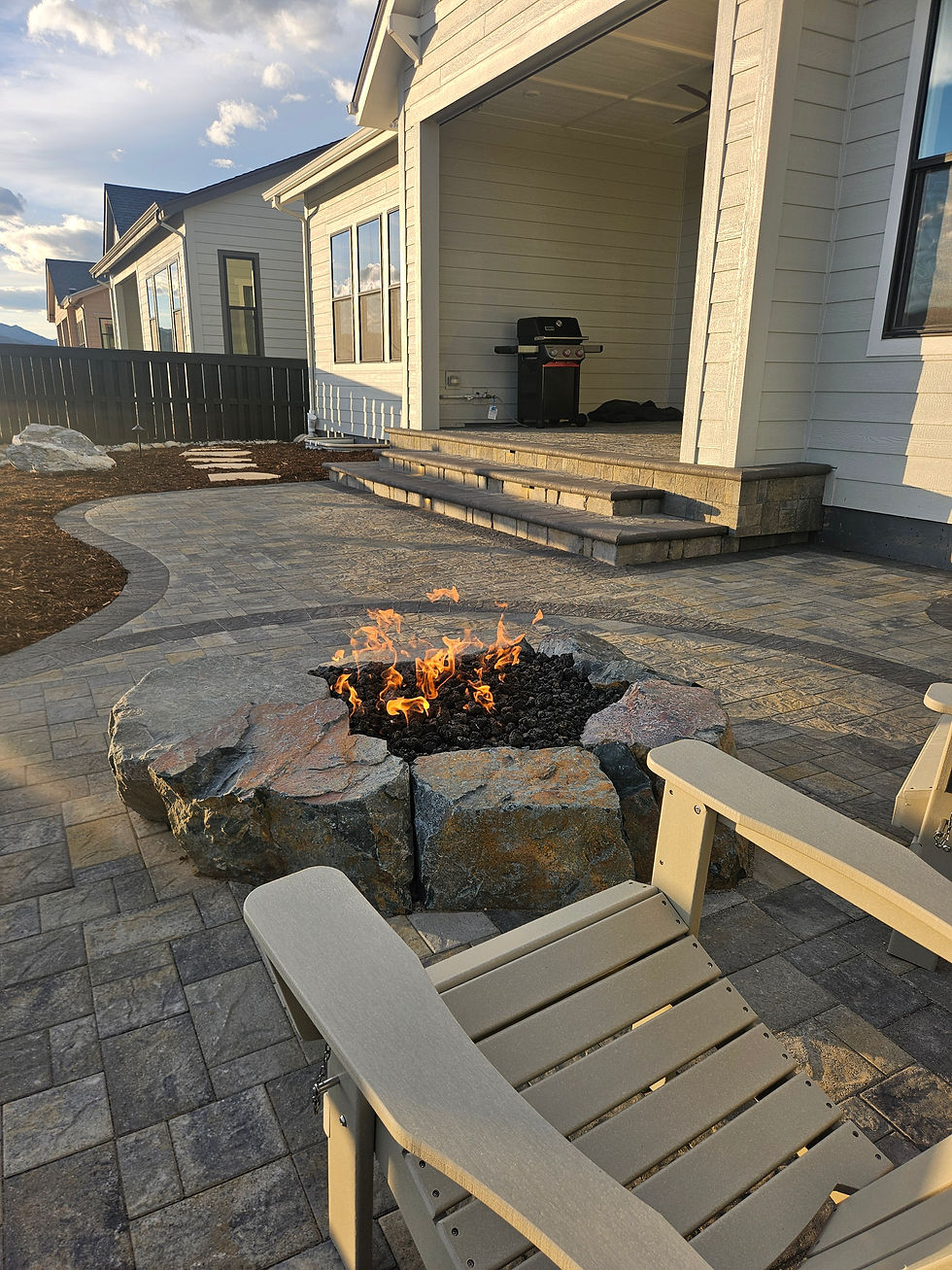
Plan your design: Group plants by water needs and consider hardscape elements like rocks and paths.
Choose native and drought-tolerant plants: Examples include blue grama grass, rabbitbrush, and penstemon.
Install efficient irrigation: Use drip lines and timers to target water use.
Add mulch: Helps retain moisture and suppress weeds.
Maintain wisely: Water deeply but infrequently and prune plants as needed.
Final Thoughts on Landscaping in Colorado for 2026
Water conservation is no longer optional in Colorado. Xeriscape landscaping offers a practical, sustainable way to create beautiful outdoor spaces that thrive with less water and maintenance. Traditional landscaping still appeals to many for its lush look and recreational benefits but comes with higher water and upkeep costs.
Choosing the right landscape depends on your priorities: water savings, aesthetics, maintenance, and budget. Combining xeriscape elements with traditional features can provide a balanced solution that fits Colorado’s climate and your lifestyle.


Comments